Look at the joints first
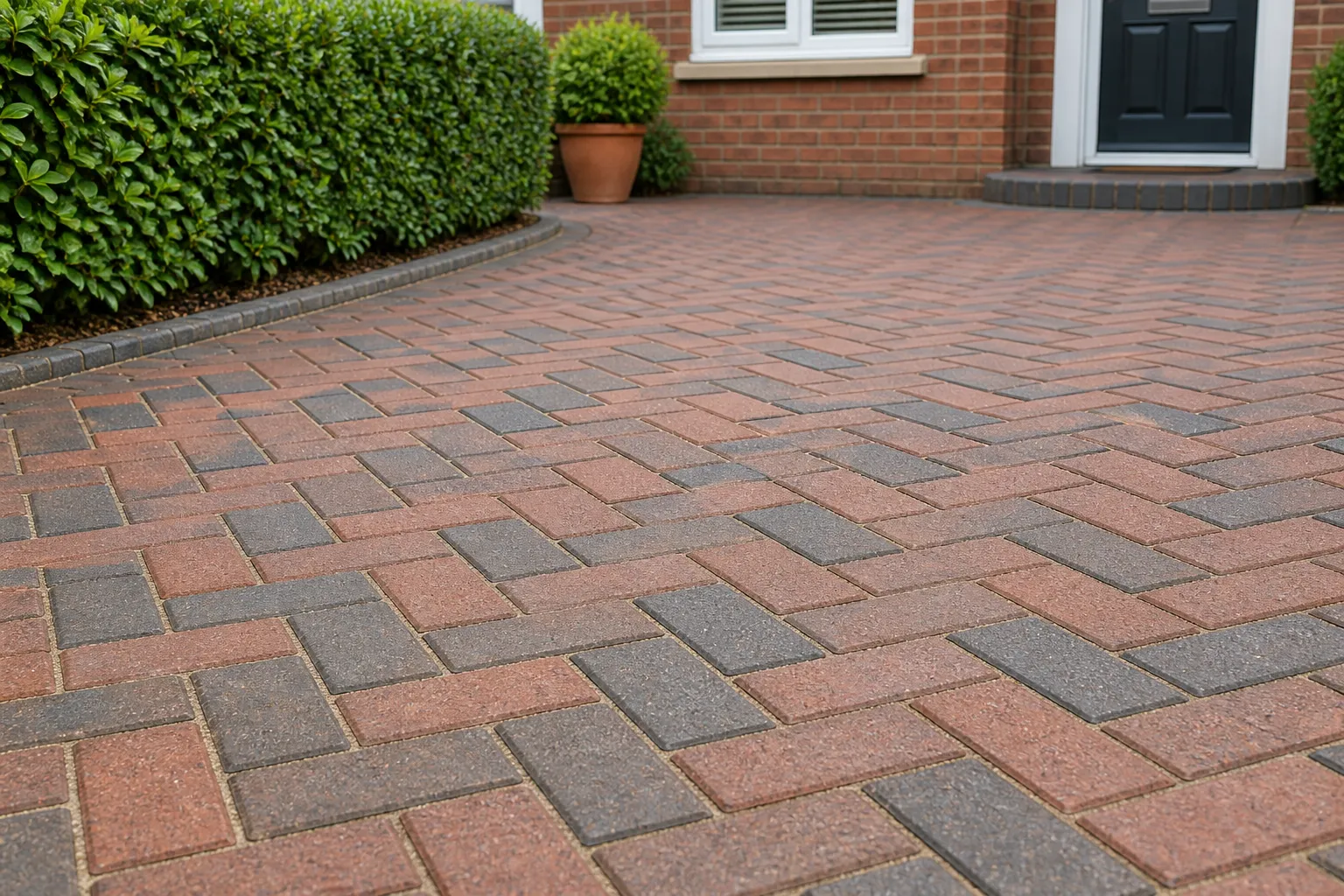
Concrete block paving often uses sand-filled joints. Cleaning can dislodge that material. Marshalls warns that excessive or badly directed pressure may damage the surface or disturb the joints. Photograph their condition before work starts.
Ask the cleaner to specify the right replacement jointing material. Permeable paving can use a different aggregate: do not automatically fill it with ordinary kiln-dried sand.
Cleaning is not levelling
If a block rocks, an area sinks or water pools, describe that separately. A cleaner can expose the problem without correcting the bedding or drainage underneath. Decide whether you need a paving repair assessment before a wash.
A patch that looks darker is not enough to diagnose algae, oil or a failed seal. Ask for an assessment rather than choosing a chemical from a photograph alone.
Allow for a dry finishing stage
Confirm when joint material will be replaced and whether the quote includes a return visit. Ask how the surface and joints will be checked before finishing. Do not agree to sealing simply to avoid discussing missing sand or a damp surface.
Sealing is a choice, not the definition of clean
Ask why a sealer is proposed, which product it is and how it changes colour, sheen and future maintenance. Confirm compatibility with the paving and any previous treatment. Cleaning, re-sanding and sealing should be distinguishable in the quotation.
Sources behind this guide
Official guidance, municipal regulations, and material standards referenced across this guide.
- Marshalls: cleaning block paving
Material care, joint disturbance and following cleaning-product instructions.
Checked 2026-09-13